Comparison · 7 November 2026 · 4 minute read
Dealfront is Leadfeeder again: what changed in 2026
Leadfeeder and Echobot became Dealfront in 2023, and since 2026 the platform is called Leadfeeder again. What changed and what users should check.
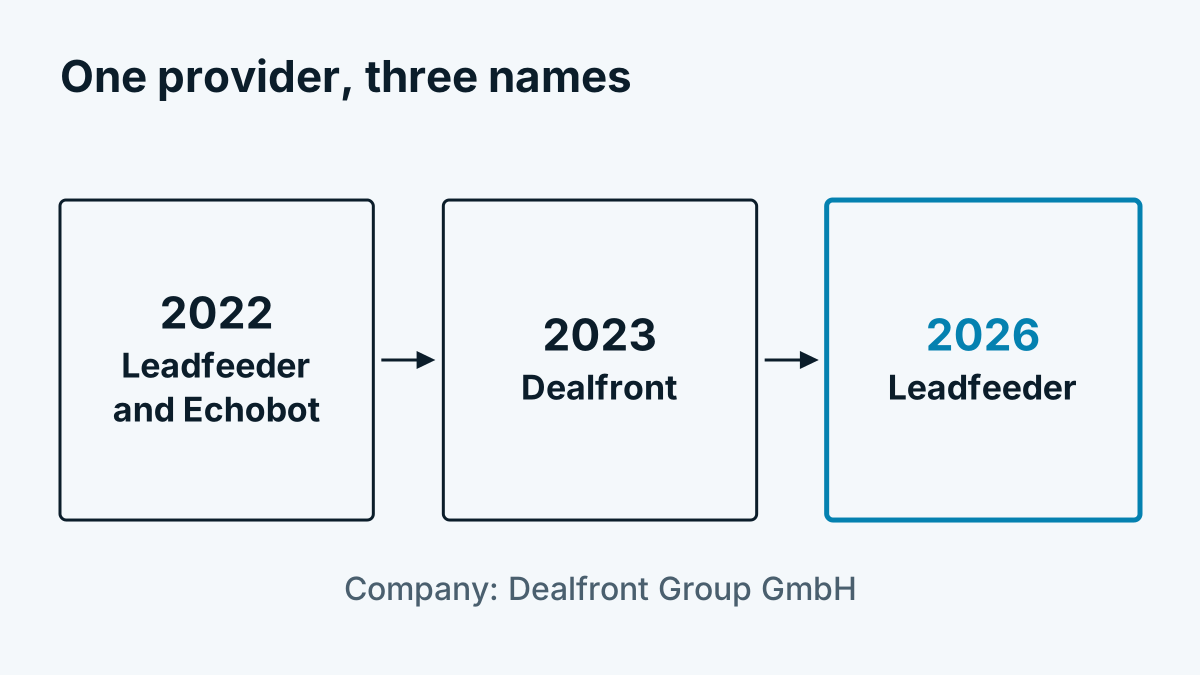
Anyone searching for Dealfront today lands at Leadfeeder. That is not a mistake in the search result. The provider renamed its platform in 2026. For users, and for anyone currently choosing a visitor identification tool, the story behind it is useful: it explains why features, contracts and data sources appear under changing names.
We are a provider in this market ourselves. This article therefore limits itself to statements that the provider itself or the trade press has published. The sources are linked.
The names over time
| When | What happened | Source |
|---|---|---|
| Summer 2022 | Leadfeeder and Echobot merge, Great Hill Partners invests 180 million euros | Daily Research News |
| April 2023 | Both appear together as Dealfront | Press release via Cision |
| Spring 2026 | The platform is called Leadfeeder again, the company remains Dealfront Group GmbH | Leadfeeder: Dealfront is now Leadfeeder |
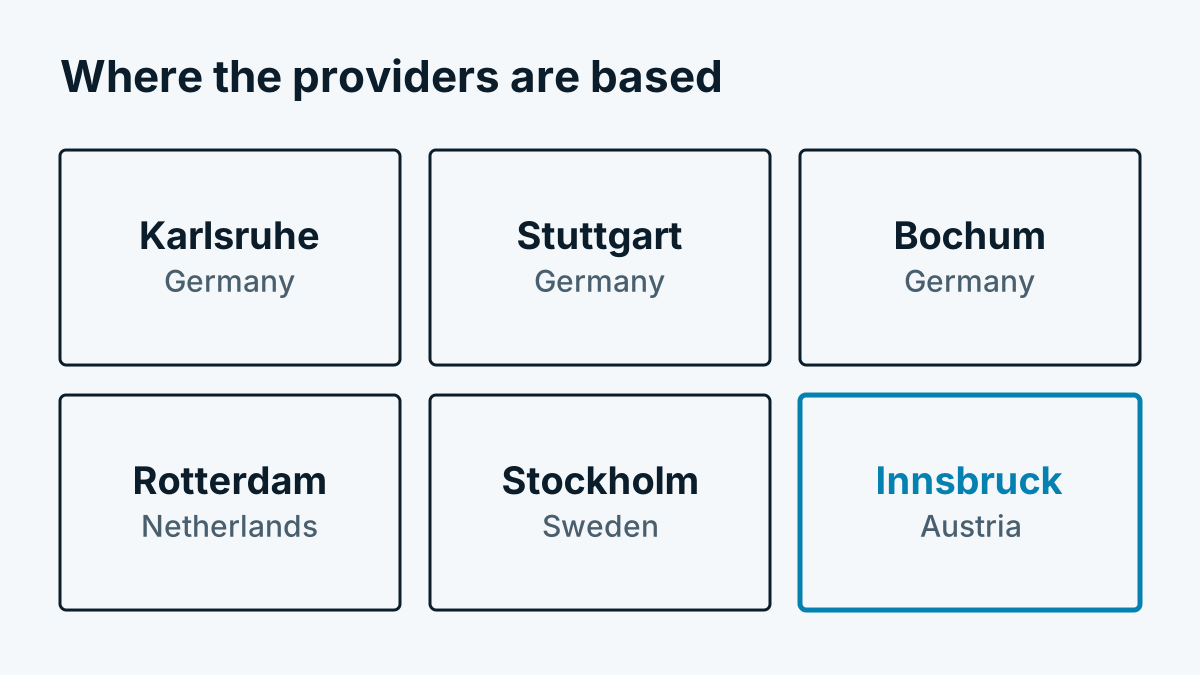
Leadfeeder was originally a tool that shows the companies behind website visits. Echobot came from Karlsruhe and supplied company data and sales research. Dealfront was meant to sell both as one platform. With the renaming in 2026, the provider again puts website visits at the centre.
Incidentally, WiredMinds GmbH with its product LeadLab belongs to the same group. This is stated in the legal notice of WiredMinds. Anyone comparing two of these providers may therefore be comparing products of the same corporate group.
What has changed according to the provider
On its page about the renaming, the provider describes the step as a new name for the same product and the same team. Login details and stored data are retained. Some features have different names:
- Promote is now called Campaigns.
- Target is now called Companies.
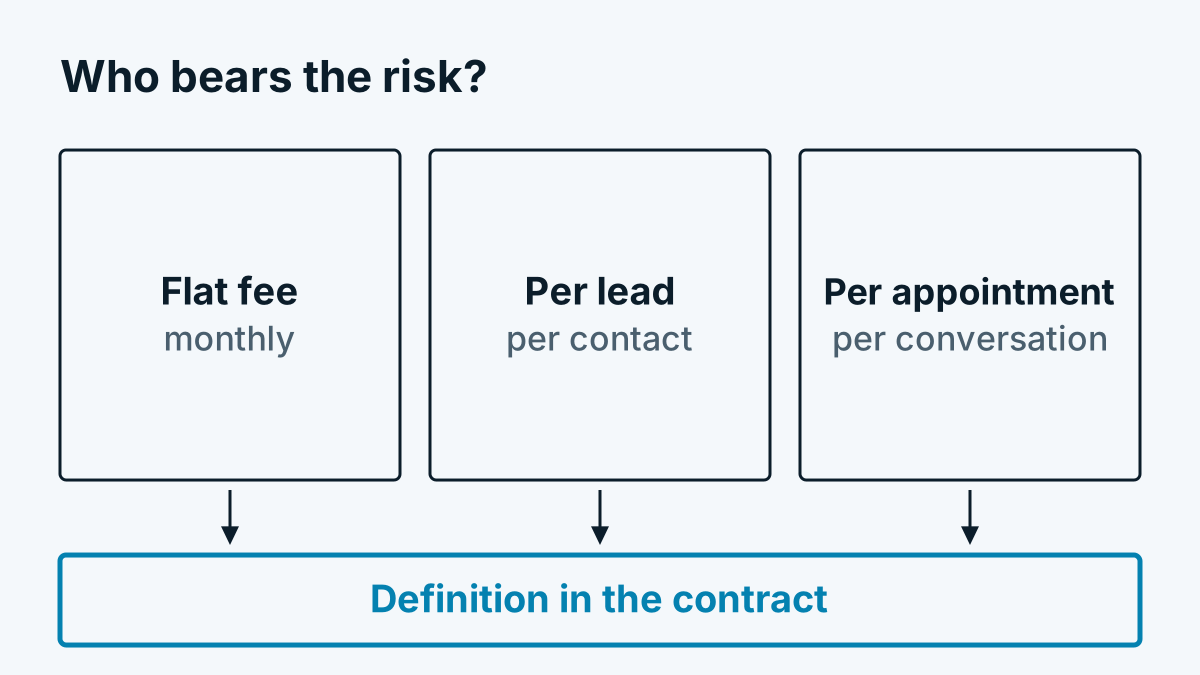
The page also mentions a 14-day trial and a free Lite plan afterwards. You should read prices, contract terms and the exact scope of the plans directly with the provider. Such details change more often than names.
What existing customers should check now
A renaming rarely changes anything in the technology. It is nevertheless a good occasion to bring a few documents up to date:
- Privacy policy. Does it still show the old name? Name the service as it is now called, so that visitors can find it again.
- Cookie banner and tag manager. Check whether the service is listed in your banner under the right name and in the right category. How the interplay works in principle is described in Consent or legitimate interest: how to decide.
- Data processing agreement. According to the legal notice, the contracting party remains Dealfront Group GmbH. If needed, have the current version and the list of subprocessors sent to you.
- Internal guides. Sales and marketing look for menu items. If the guide says „Target“ and the menu says „Companies“, that costs a few minutes every day.
If you are choosing right now
For the choice, the name hardly matters. More important are questions such as: does the tool identify companies or also individuals? Is the IP address stored? Does the script load only after consent? Where do the servers run? You will find a complete list in Comparing visitor identification: 12 criteria for choosing.
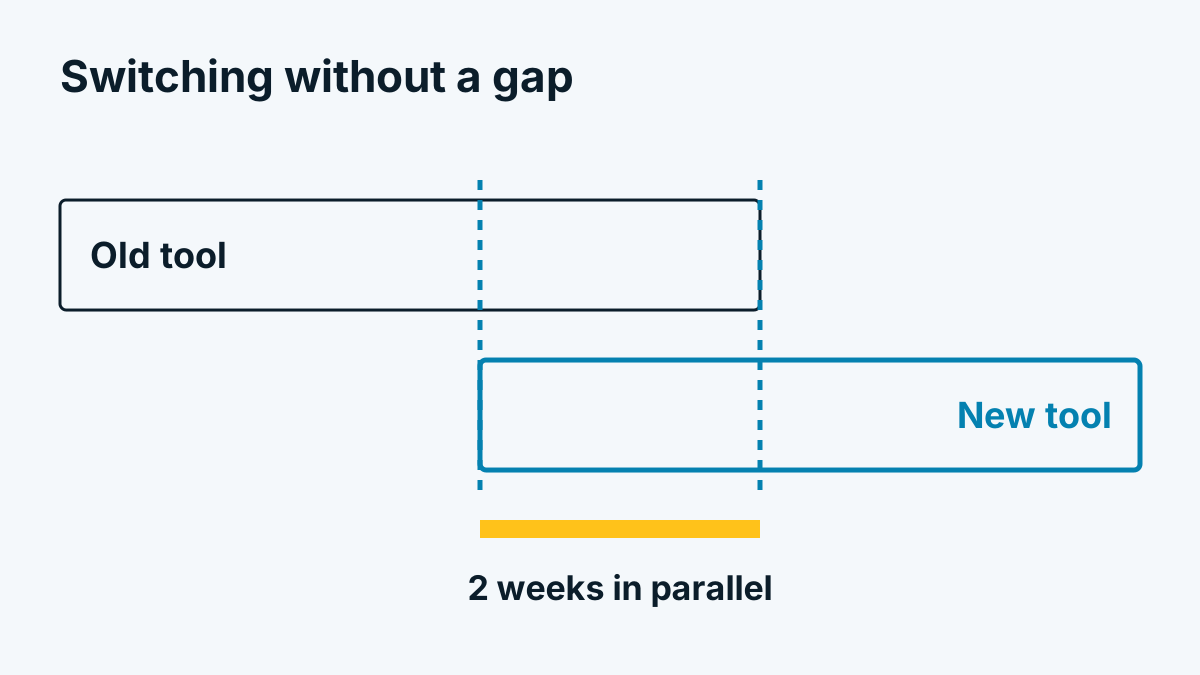
If you want to see which other providers exist, Visitor identification providers: Leadfeeder, SalesViewer and others helps. And anyone facing a switch will find the steps for moving without a data gap in Alternative to SalesViewer, Leadfeeder and others: how to switch successfully.
Frequently asked questions
Does Dealfront still exist? As a company name, yes: Dealfront Group GmbH is still in the legal notice. As the name of the platform, Leadfeeder is now used.
Do I have to sign up again? According to the provider, login details and data are retained.
Is Echobot still a product of its own? Echobot has been absorbed into Dealfront. Which former Echobot features are now in which plan is described by the provider on its product pages.